
Key Points
- A first-of-its-kind clinical trial is investigating the use of histotripsy plus an immunotherapy drug to treat patients with intrahepatic cholangiocarcinoma, a type of liver cancer in the bile ducts.
- It will enroll up to 12 participants at the University of Wisconsin.
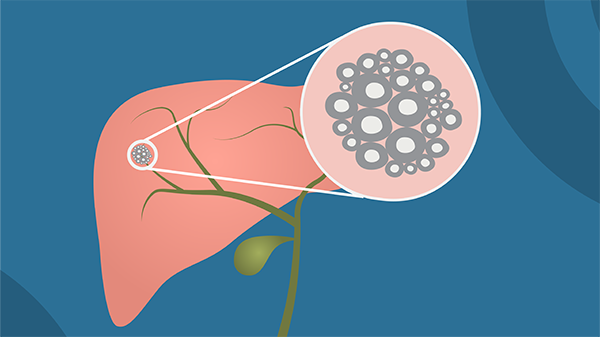
A first-of-its-kind clinical trial, called CODAH (NCT 07766187), has begun at the University of Wisconsin (UW) School of Medicine and Public Health to investigate the safety and efficacy of using histotripsy in combination with an immunotherapy drug to treat patients with intrahepatic cholangiocarcinoma.
Intrahepatic cholangiocarcinoma is a rare cancer that originates in the small branches of the liver’s bile ducts. It accounts for roughly 10% of all cholangiocarcinoma cases, and traditional therapies include surgery, chemotherapy, and targeted gene therapies or immunotherapies.
This new clinical study, led by John Swietlik, MD, an interventional radiologist at UW, will assess the use of the HistoSonics Edison system to treat up to three tumors in one histotripsy procedure. Participants will undergo the treatment on day 8 of a 28-day cycle of the immunotherapy drug durvalumab. Histotripsy uses focused ultrasound to mechanically destroy targeted tissue without heating, and there is evidence to suggest that it can cause immune activation in the treatment area and beyond. Biopsies of the tumor tissue will be taken before and after the histotripsy treatment – on days 3 and 22 of the cycle – to determine whether the treatment can provide synergy with the ongoing immunotherapy to improve the immune system’s ability to attack the cancer.
Before being considered for enrollment, a potential participant’s disease must be stable following 18 weeks of chemotherapy and immunotherapy treatment as part of the standard of care first line regimen.
“We hope that the histotripsy treatment not only treats a portion of participants tumor burden but also allows for the participant’s immune system to be presented with cellular components of the specific cancer,” said Dr. Swietlik. “This presentation along with the ongoing immunotherapy will hopefully create an amplified immune response that provides prolonged tumor control.”
For Patients
Learn more about this study: Combination Therapy Using Durvalumab and Histotripsy for Treatment of Intrahepatic Cholangiocarcinoma (CODAH)
For more information, call 1-800-622-8922 or email clinicaltrials@cancer.wisc.edu.